Mastering Bulgogi: Secrets to Tender, Savory Korean BBQ at Home
Imagine the irresistible aroma of sweet and savory marinated beef sizzling over a flame, perfectly caramelized yet incredibly tender. That, my friends, is the magic of bulgogi, one of Korea's most beloved and globally recognized dishes. Literally meaning "fire meat" (불고기; bul for fire, gogi for meat), bulgogi is the quintessential Korean BBQ experience, traditionally featuring thinly sliced beef bathed in a flavorful marinade and grilled to perfection. While its roots trace back centuries, its modern form has captivated palates worldwide, proving that you don't need a plane ticket to Seoul to enjoy authentic, restaurant-quality bulgogi. With this comprehensive guide, you'll unlock the secrets to crafting your own tender, savory, and utterly delicious Korean BBQ at home.
The Legacy of Fire Meat: A Culinary Journey
The story of bulgogi is as rich and layered as its flavor profile, spanning over two millennia of Korean culinary history. Its origins can be found in the ancient Goguryeo kingdom (37 BCE–668 CE), where it began as maekjeok, a simple preparation of skewered and grilled meat. During the Joseon dynasty (1392–1897), this humble dish ascended to royal tables, evolving into neobiani, a delicacy of thinly sliced beef broiled on a gridiron, reserved for aristocratic feasts. It was in the early 20th century, particularly the 1920s, that beef became more accessible in Korea, paving the way for the modern iteration of bulgogi, incorporating the now-iconic soy-based marinades that enhance its depth of flavor.
The term "bulgogi" itself is fascinating, originating from the Pyongan dialect of what is now North Korea. It gained widespread popularity in South Korea after the Korean War, as refugees from Pyongan Province introduced their regional specialty to Seoul and beyond. Today, bulgogi holds immense cultural significance, symbolizing hospitality and communal dining. It’s a dish frequently prepared for family gatherings, holidays, and special occasions, fostering connection over shared plates. Its global popularity surged with Korean immigration, especially in the United States since the mid-20th century, becoming a gateway to Korean cuisine and inspiring countless fusion dishes, from tacos to burgers. To delve deeper into its incredible journey, explore Bulgogi's Legacy: From Ancient Origins to Global Korean BBQ Staple and Bulgogi Explained: The "Fire Meat" That Became a World-Renowned Dish.
Unlocking the Secret to Perfect Bulgogi: The Marinade
The heart and soul of incredible bulgogi lies in its marinade. This isn't just a simple flavoring agent; it's a carefully balanced concoction designed to imbue the beef with its characteristic sweet, savory, and umami notes, while also ensuring unparalleled tenderness. Getting the marinade right is arguably the most crucial step for achieving that authentic Korean BBQ taste.
- Soy Sauce: The foundation of umami and saltiness. Opt for a good quality Korean or Japanese soy sauce for the best flavor.
- Sugar or Honey: Essential for the characteristic sweetness that balances the savory elements. Brown sugar, white sugar, or honey all work beautifully, each imparting a slightly different nuance. Honey can add a lovely depth.
- Sesame Oil: Aromatic and nutty, sesame oil adds a distinctive Korean flavor and a silky mouthfeel. It's often added at the end of the marinade mixture to preserve its delicate aroma.
- Minced Garlic & Green Onions: These provide pungent, fresh aromatics that are indispensable to Korean cuisine. Don't skimp on fresh garlic!
- Black Pepper: A dash of freshly ground black pepper adds a subtle warmth and spice.
- Asian Pear or Kiwi: This is the secret weapon for tenderizing the beef! Both Asian pear and kiwi contain natural proteolytic enzymes (bromelain in kiwi, ficin in pear) that gently break down muscle fibers, resulting in melt-in-your-mouth beef. Puree a small amount and add it to the marinade. A word of caution: Too much or too long exposure to these enzymes can make the meat mushy, so use sparingly and avoid marinating for more than 24 hours when using kiwi.
Pro Tip for Marinade Balance: While exact ratios can vary based on personal preference and the specific cut of beef, a good starting point for approximately 1 pound of beef is 1/4 cup soy sauce, 2-3 tablespoons sugar/honey, 1 tablespoon sesame oil, 2-3 cloves minced garlic, 1 tablespoon minced green onion, and about 1/4 cup pureed Asian pear (or 1/2 a small kiwi). Whisk all ingredients together until the sugar dissolves. Once your beef is sliced (as we'll discuss next), add it to the marinade, ensuring every piece is coated. Marinate for at least 2-4 hours in the refrigerator, but ideally 6-12 hours, or even overnight, for maximum flavor infusion and tenderness. The longer it marinates, the deeper the flavor will be.
The Foundation of Flavor: Choosing & Preparing Your Beef
While the marinade does most of the heavy lifting for flavor, the quality and preparation of your beef are equally crucial for achieving that signature tender texture. Bulgogi is typically made with tender parts of beef.
- Ideal Cuts: The most commonly used cuts are ribeye, sirloin, or even tenderloin. These cuts are known for their tenderness and good marbling, which contributes to a juicy final product. Brisket can also be used, though it might require slightly longer marinating to ensure tenderness.
- The Art of Thin Slicing: This is perhaps the most important technique for perfect bulgogi. The beef needs to be sliced paper-thin, almost translucent. Thin slices allow the marinade to penetrate quickly and deeply, ensuring even cooking and that characteristic melt-in-your-mouth texture. This is also why bulgogi cooks so incredibly fast!
Practical Tip for Slicing at Home: Achieving paper-thin slices without a professional meat slicer can seem daunting, but it's easily done with a simple trick. Place your beef in the freezer for about 30 to 60 minutes, or until it's firm but not completely frozen solid. This semi-frozen state makes the beef much easier to slice thinly against the grain with a sharp knife. Slice against the grain to shorten the muscle fibers, further enhancing tenderness. Aim for slices that are about 1/8 to 1/16 inch thick.
Sizzle and Sear: Grilling Bulgogi at Home
Once your beef is perfectly marinated, it's time for the "fire meat" to meet the heat. Whether you're using an outdoor grill or a stovetop pan, the goal is a quick, high-heat cook that caramelizes the exterior while keeping the interior juicy.
- Stovetop Pan-Frying: This is the most common and accessible method for home cooks.
- Heat a large, heavy-bottomed skillet or cast-iron pan over medium-high heat. Add a tiny drizzle of cooking oil (or none, as the marinade has sesame oil).
- Once the pan is hot, add a single layer of marinated beef. Do not overcrowd the pan! Overcrowding will lower the pan's temperature, causing the meat to steam rather than sear, leading to a grey, tough result.
- Cook for just 1-2 minutes per side, or until beautifully caramelized with slightly crispy edges. The thin slices cook incredibly quickly.
- Remove cooked beef and cook subsequent batches, if necessary, allowing the pan to reheat between batches.
- Outdoor Grilling (Charcoal or Gas): For an authentic smoky flavor reminiscent of the Gwangyang style, an outdoor grill is fantastic.
- Preheat your grill to medium-high heat. Lightly oil the grates.
- Grill the beef in batches, again avoiding overcrowding.
- Cook for 1-2 minutes per side. The beef will cook very fast due to its thinness. Watch for a beautiful char and caramelization.
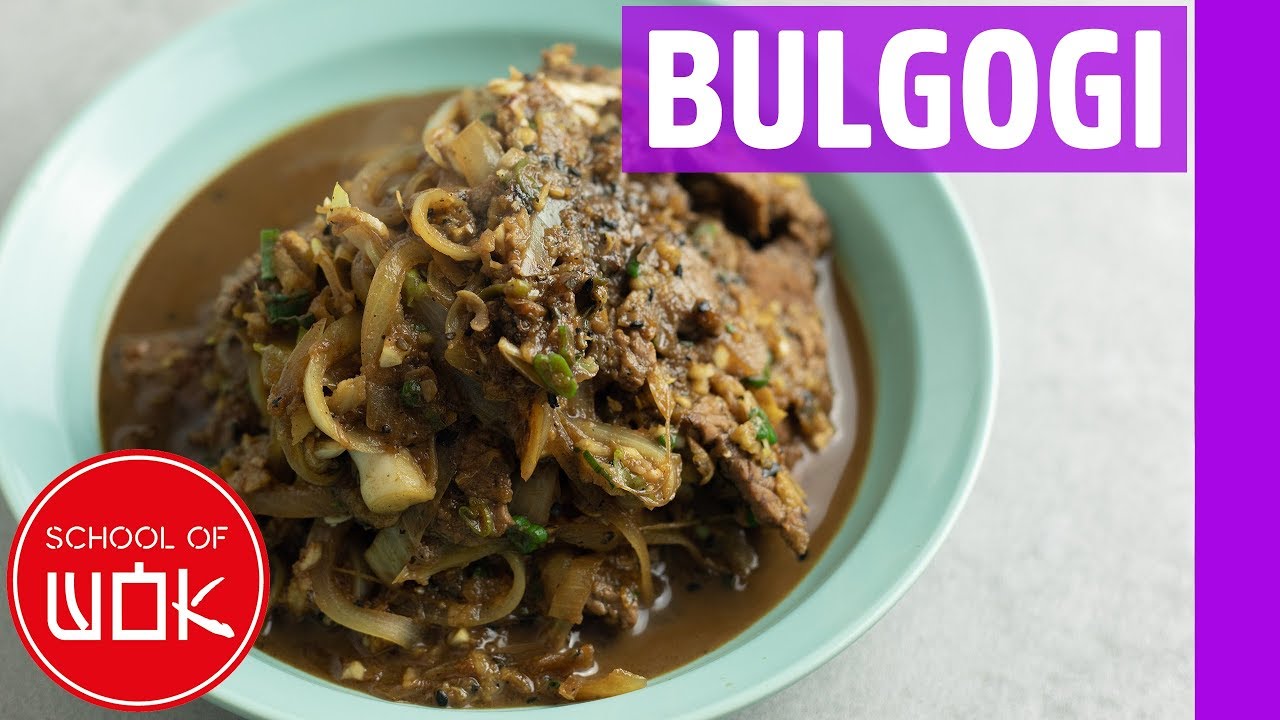
- Seoul-Style (Brothier): While most home cooks focus on the grilled variety, you can also prepare a brothier bulgogi, often cooked in a clay pot or shallow pan with a bit more marinade liquid, which is common in Seoul. This creates a slightly soupier dish, perfect for soaking into rice.
Serving Your Homemade Bulgogi: Bulgogi is traditionally served family-style with fresh lettuce leaves (such as red leaf or green leaf lettuce), rice, and an array of banchan (side dishes) like kimchi, pickled radishes, and bean sprout salad. To eat, place a piece of bulgogi on a lettuce leaf, add a dollop of rice, perhaps a dab of ssamjang (spicy dipping sauce), and any other preferred banchan, then wrap it up and enjoy in one delicious bite! The fresh, crisp lettuce perfectly complements the rich, savory beef.
Conclusion
Mastering bulgogi at home is a deeply rewarding culinary journey that connects you to centuries of Korean tradition. From understanding its historical roots as "fire meat" to meticulously preparing the tenderizing marinade and perfecting the quick grilling technique, each step contributes to an unforgettable dining experience. With high-quality, thinly sliced beef and a perfectly balanced sweet-savory marinade, you can recreate the magic of authentic Korean BBQ in your own kitchen. Gather your loved ones, fire up the grill or stovetop, and savor the incredible flavors of homemade bulgogi – a dish that truly embodies warmth, hospitality, and the joy of communal dining. Enjoy the process, experiment with your own flavor preferences, and delight in the tender, savory results that will undoubtedly leave everyone craving more.
