Bulgogi's Legacy: From Ancient Origins to Global Korean BBQ Staple
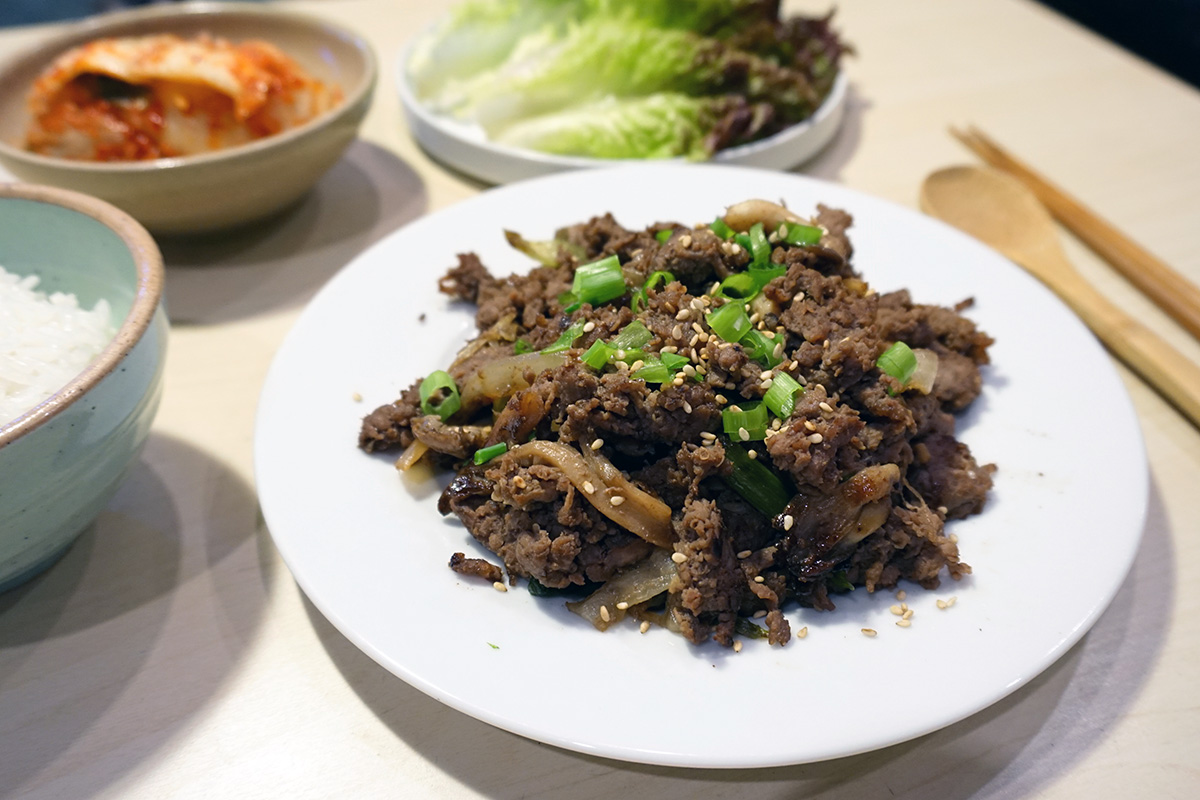
Few dishes encapsulate the essence of Korean cuisine quite like bulgogi. This iconic "fire meat," with its irresistible blend of sweet, savory, and smoky flavors, has captivated palates worldwide, cementing its place as a cornerstone of Korean barbecue. But the story of bulgogi is far richer than just its delicious taste; it's a culinary journey spanning over two millennia, reflecting Korea's history, ingenuity, and spirit of hospitality. From its humble beginnings as a nomadic staple to its elevation as a royal delicacy and finally its transformation into a global sensation, bulgogi represents a dynamic legacy that continues to evolve.
The Ancient Roots of "Fire Meat"
The origins of bulgogi stretch back deep into Korean history, long before the modern concept of barbecue ever existed. Its ancestry can be traced to the Goguryeo kingdom (37 BCE–668 CE), a period marked by powerful empires and rich cultural traditions. Here, the precursor to bulgogi was known as maekjeok.
From Maekjeok to Neobiani
Maekjeok was a straightforward preparation: simple cuts of meat, often beef, skewered and grilled directly over an open flame. It was a practical, hearty meal, perfectly suited for the nomadic lifestyle and the robust needs of the Goguryeo people. Fast forward to the Joseon dynasty (1392–1897), and this primitive grilling technique underwent a significant transformation. During this era, maekjeok evolved into neobiani, meaning "broiled thinly sliced meat." This was no longer a commoner's dish but a refined culinary art reserved for aristocratic feasts and royal tables. Thinly sliced beef, carefully selected, was broiled on a gridiron with minimal, subtle seasonings, reflecting the sophisticated palate of the nobility.
Etymology and Early Popularization
The term "bulgogi" itself is a beautiful example of Korean linguistic simplicity, directly translating to "fire meat." It's a compound word derived from "bul" (불), meaning "fire," and "gogi" (고기), meaning "meat." This straightforward name perfectly encapsulates the traditional method of cooking the dish over an open flame, a practice rooted in its ancient origins. Interestingly, the name "bulgogi" is believed to have originated from the Pyongan dialect, spoken in what is now North Korea. Its widespread adoption in South Korea came after the Korean War (1950–1953) and the liberation from Japanese rule in 1945, when refugees from Pyongan Province migrated south, introducing their beloved regional specialty to Seoul and other southern regions. This migration played a crucial role in cementing bulgogi's status as a nationwide favorite.
The Evolution into Modern Bulgogi
While the ancient forms laid the groundwork, the bulgogi we know and love today truly began to take shape in the early 20th century, spurred by societal changes and culinary innovation.
The Early 20th Century Transformation
The 1920s marked a pivotal period. Increased urbanization and commercialization in Korea led to greater accessibility of beef, moving it from a luxury item to a more common ingredient. This newfound availability paved the way for culinary experimentation. The most significant development was the widespread incorporation of a soy-based marinade. This sweet and savory concoction became the heart of modern bulgogi, infusing the thinly sliced beef with a depth of flavor that elevated it beyond simple grilled meat. It was this marinade that truly defined the dish's signature taste, making it distinct and irresistible.
Key Ingredients: The Symphony of Flavor
At the core of an exceptional bulgogi lies a careful selection of ingredients and a masterful balance of flavors. The choice of beef is paramount; high-quality cuts like ribeye, sirloin, or brisket are preferred for their tenderness and marbling. Crucially, the beef is sliced paper-thin, a technique that not only ensures maximum tenderness but also allows the marinade to fully penetrate every fiber, making each bite melt-in-your-mouth delicious. If you're slicing at home, partially freezing the meat for an hour or so can make this task much easier.
The marinade itself is a symphony of complementary components:
- Soy Sauce: The foundation, providing umami and a savory depth.
- Sugar or Honey: Essential for sweetness and promoting beautiful caramelization during grilling.
- Sesame Oil: Adds a distinct nutty aroma and richness.
- Minced Garlic & Green Onions: Provide a pungent freshness that cuts through the richness.
- Pureed Asian Pear or Kiwi: A secret weapon for many home cooks! These fruits contain natural enzymes that tenderize the meat, making it incredibly soft. Just be mindful not to marinate for too long if using kiwi, as it can over-tenderize.
Preparation involves marinating the beef for at least a few hours, or ideally, overnight, allowing the flavors to deeply infuse. The marinated beef is then quickly grilled over an open flame or in a hot pan, achieving a slightly caramelized exterior while keeping the interior wonderfully juicy and tender. For more in-depth tips on achieving the perfect texture and flavor, explore Mastering Bulgogi: Secrets to Tender, Savory Korean BBQ at Home.
Regional Variations and Cultural Significance
While the core essence of bulgogi remains consistent, Korea's diverse culinary landscape has given rise to delightful regional variations, each offering a unique twist on this beloved dish.
Diverse Culinary Traditions
- Gwangyang Bulgogi: Hailing from the Gwangyang region, this style is renowned for its intense smoky depth. The beef is often marinated more lightly and grilled directly over blazing charcoal, resulting in a rich, charred flavor that sets it apart.
- Seoul-style Bulgogi: In contrast, Seoul's version often features a brothier preparation. The marinated beef is cooked in a wide, shallow pan or clay pot, sometimes with glass noodles and vegetables, creating a delicious savory broth that's perfect for spooning over rice.
Beyond these prominent styles, subtle differences in marinade ratios, additional ingredients like mushrooms, or even the cut of meat can vary from region to region, reflecting local preferences and available produce.
More Than Just a Meal
Beyond its delectable taste, bulgogi holds significant cultural importance in Korea. It symbolizes hospitality and communal dining, a dish frequently prepared for family gatherings, holidays, and special occasions. The act of sharing sizzling hot bulgogi, often accompanied by a multitude of vibrant side dishes (banchan) and fresh lettuce wraps, fosters a sense of connection and warmth. It's a centerpiece that brings people together, embodying the spirit of Korean generosity and shared joy. To delve deeper into its cultural impact and global journey, read Bulgogi Explained: The "Fire Meat" That Became a World-Renowned Dish.
Bulgogi's Global Ascent and Modern Adaptations
The mid-20th century marked a new chapter for bulgogi as it began its journey beyond Korean borders, primarily driven by Korean immigration. Korean families, settling in places like the United States, brought their culinary traditions with them, and bulgogi quickly became a delicious ambassador for Korean cuisine.
A Gateway to Korean Cuisine
What started in community kitchens and Korean restaurants soon spread, becoming a gateway dish for many experiencing Korean food for the first time. Its mild sweetness, savory depth, and familiar grilled meat texture made it highly approachable. As its popularity grew, bulgogi adapted to local tastes, sometimes becoming sweeter or incorporating different cuts of meat, yet always retaining its core essence and signature flavor profile.
Beyond the Traditional Plate
Today, bulgogi's versatility is evident in its exciting foray into global fusion cuisine. It has inspired countless innovative dishes, from trendy bulgogi tacos and hearty bulgogi burgers to flavorful bulgogi subs and even pizzas. This adaptability underscores its enduring appeal and its ability to seamlessly integrate into diverse culinary traditions while still celebrating its Korean heritage. Whether served in its traditional form with rice and lettuce wraps or as an inventive fusion dish, bulgogi continues to capture the hearts and appetites of food lovers everywhere.
From its ancient roots as a simple grilled meat to its evolution into a royal delicacy and ultimately a global Korean BBQ staple, bulgogi's legacy is a testament to its timeless appeal. It's a dish that tells a story of culture, history, and the universal joy of shared food, forever cementing its place not just in Korean cuisine, but on the world stage.
