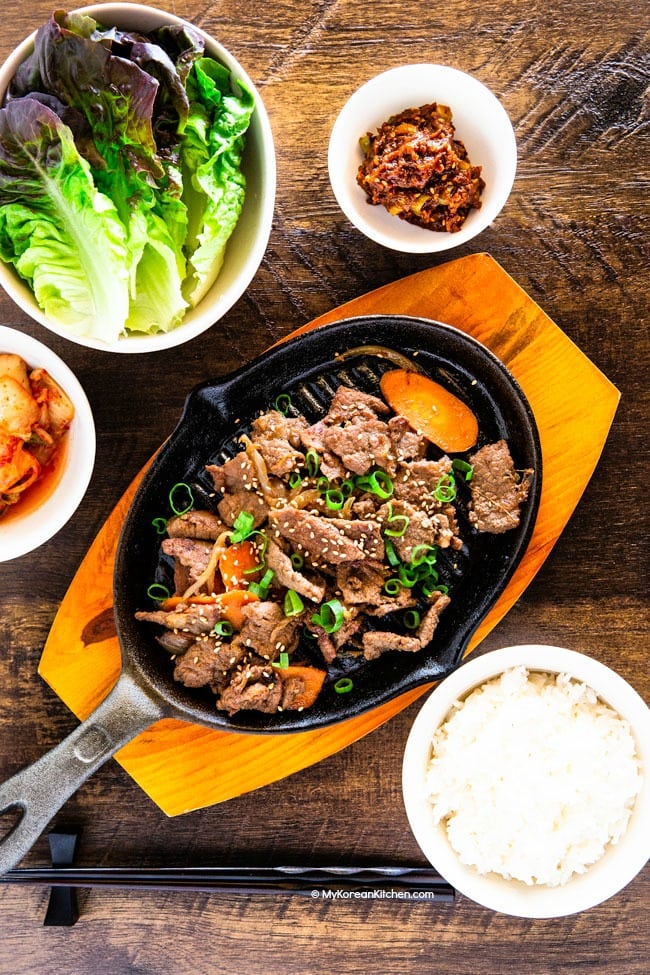
Journey into the heart of Korean cuisine, and you'll inevitably encounter a dish that tantalizes taste buds with its sweet, savory, and smoky allure: bulgogi. Often dubbed "fire meat," this iconic preparation of thinly sliced, marinated beef is more than just a meal; it's a centuries-old culinary tradition that has captivated diners worldwide. From its humble origins as a simple grilled offering to its current status as a global sensation, bulgogi embodies the rich flavors and communal spirit of Korean dining.
In this comprehensive guide, we'll peel back the layers of this fascinating dish, exploring its etymology, tracing its historical evolution, dissecting the secrets of its famous marinade, and understanding its profound cultural and global impact. Prepare to discover why bulgogi remains a beloved staple, inspiring chefs and home cooks alike to recreate its irresistible magic.
The Fiery Origins of Bulgogi: A Culinary Journey Through Time
The name bulgogi (불고기) itself provides a vivid clue to its essence: a compound of the Korean words "bul" (불), meaning "fire," and "gogi" (고기), meaning "meat." This literal translation, "fire meat," perfectly encapsulates the traditional method of grilling the dish over an open flame, imparting that signature smoky depth. Interestingly, the term bulgogi didn't always hold its widespread recognition. It emerged from the Pyongan dialect, spoken in what is now North Korea's Pyongan Province, where it was a regional specialty.
The dish's journey is a testament to culinary evolution, spanning over two millennia. Its earliest ancestor dates back to the Goguryeo kingdom (37 BCE–668 CE), appearing as maekjeok – a rudimentary preparation of skewered and grilled meat. Fast forward to the Joseon dynasty (1392–1897), and this "fire meat" ascended to royal status, transforming into neobiani. This aristocratic delicacy featured meticulously thin slices of beef, delicately broiled on a gridiron with minimal seasonings, reserved exclusively for the most esteemed feasts. The transition from *maekjeok* to *neobiani* highlights the increasing refinement of Korean culinary techniques, even as the core concept of grilled meat endured.
The modern form of bulgogi, as we largely recognize it today, began to take shape in the early 20th century, particularly around the 1920s. This period saw significant societal shifts in Korea, including commercialization and urbanization, which made beef more accessible to the general populace. It was during this time that the now-iconic soy-based marinades began to be incorporated, dramatically enhancing the dish's flavor profile. The spread of the term "bulgogi" and its popularization across South Korea gained significant momentum after Korea's liberation from Japanese rule in 1945 and during the subsequent Korean War (1950–1953). Refugees migrating from Pyongan Province to Seoul and other southern regions carried their culinary traditions with them, effectively transforming a northern delicacy into a nationwide favorite. This pivotal moment cemented bulgogi's place in the hearts and on the tables of Koreans everywhere, evolving from a regional specialty to a symbol of Korean culinary identity. For more on how this dish shaped Korean cuisine, explore Bulgogi's Legacy: From Ancient Origins to Global Korean BBQ Staple.
Crafting the Perfect Bulgogi: Ingredients and the Art of the Marinade
At the heart of any truly exceptional bulgogi lies a combination of high-quality ingredients and a masterfully balanced marinade. The magic begins with the beef itself. The ideal cuts are typically tender, well-marbled options such as ribeye, sirloin, or brisket. The secret to bulgogi's melt-in-your-mouth texture isn't just the cut, but also the preparation: the beef must be sliced paper-thin. This meticulous slicing technique ensures not only rapid cooking but also maximum absorption of the marinade's complex flavors and guarantees tenderness with every bite.
The marinade is where the alchemy truly happens, transforming simple beef into an explosion of sweet, savory, and aromatic notes. While recipes can vary, the core components are remarkably consistent:
- Soy Sauce: The foundation for umami and savory depth. It provides the essential salty base that balances the sweetness.
- Sugar or Honey: Crucial for the characteristic sweetness that defines bulgogi. This also aids in caramelization during grilling, creating those delicious browned edges.
- Sesame Oil: Adds a nutty, rich aroma that is indispensable to Korean cuisine. A little goes a long way in enhancing the overall fragrance.
- Minced Garlic and Green Onions: Provide a pungent, fresh kick, rounding out the savory profile and adding an essential aromatic layer.
- Pureed Asian Pear or Kiwi: This is a lesser-known but vital ingredient for many authentic bulgogi recipes. These fruits contain natural enzymes (like bromelain in kiwi or various proteases in pear) that act as natural meat tenderizers, breaking down muscle fibers to ensure the beef is incredibly soft and juicy.
- Black Pepper: For a subtle hint of spice and warmth.
The preparation involves combining all these marinade ingredients and allowing the thinly sliced beef to luxuriate in this flavorful bath. For optimal results, marinate the beef for several hours, ideally overnight. This extended period allows the enzymes to work their magic and for the flavors to deeply infuse into every strand of meat, promising a more tender, succulent, and intensely flavorful bulgogi experience. This delicate balance of ingredients is what makes bulgogi so universally appealing, hitting all the right notes on the palate.
From Grill to Table: Cooking Methods and Serving Traditions
Once the beef has been perfectly marinated, the next step is the cooking process, which is as much an art as it is a science. Traditionally, bulgogi is grilled over an open flame, often using charcoal, which imparts a distinct smoky flavor that is central to its appeal. This method, typical of authentic Korean barbecue settings, results in beautifully charred edges and a deeply aromatic profile. However, bulgogi is remarkably versatile and can be cooked just as deliciously in a pan on a stovetop, or on an electric griddle, making it accessible for home cooks without specialized grilling equipment. The key is quick cooking over high heat to achieve a caramelized exterior while keeping the interior juicy and tender.
Regional variations add another layer to bulgogi's charm. The Gwangyang style, for instance, is renowned for its charcoal-grilled preparation, emphasizing the smoky depth and a lighter, less saucy marinade. In contrast, Seoul-style bulgogi is often cooked in a shallow clay pot, sometimes with a small amount of broth, resulting in a slightly soupier dish that’s perfect for soaking up with rice. Each style offers a unique culinary experience, showcasing the adaptability of this beloved dish.
Serving bulgogi is a communal affair and an integral part of Korean dining culture. It's almost always accompanied by a bowl of freshly steamed white rice, which perfectly soaks up the savory juices. The most classic way to enjoy bulgogi is through ssam (쌈), or lettuce wraps. Diners take a piece of lettuce (or perilla leaf), add a slice of cooked bulgogi, perhaps a dollop of ssamjang (a spicy dipping sauce), a sliver of raw garlic, or a green chili, and wrap it all up before enjoying it in one bite. This interactive way of eating adds to the enjoyment and allows for personalized flavor combinations. Alongside, a vibrant array of banchan (side dishes) like kimchi, pickled radishes, and seasoned vegetables invariably grace the table, offering contrasting textures and flavors that cleanse the palate between bites of the rich bulgogi. For detailed steps on preparing this dish at home, see our guide on Mastering Bulgogi: Secrets to Tender, Savory Korean BBQ at Home.
Bulgogi's Global Ascent: A Culinary Ambassador
Beyond the borders of Korea, bulgogi has emerged as a powerful culinary ambassador, introducing countless individuals to the wonders of Korean cuisine. Its global popularity surged dramatically with Korean immigration, particularly in the United States since the mid-20th century. As Korean communities established themselves, their restaurants became vibrant hubs, and bulgogi often served as the gateway dish for newcomers to explore Korean flavors. Its inherently familiar grilled meat format, coupled with its appealing sweet-savory profile, made it an accessible and instantly likable choice, bridging cultural divides through taste.
Today, bulgogi's influence extends far beyond traditional Korean restaurants. It has become a darling of the fusion food movement, inspiring innovative culinary creations around the world. From bulgogi tacos, where the marinated beef finds a new home in a tortilla with a variety of toppings, to bulgogi burgers and even pizzas, chefs and home cooks alike are continuously adapting this versatile dish to local tastes and culinary trends. This adaptability underscores its enduring appeal and its capacity to transcend cultural boundaries while retaining its core essence. It’s a testament to bulgogi's universal deliciousness that it can seamlessly integrate into diverse culinary landscapes, offering a taste of Korea in new and exciting forms. This global spread highlights not just a dish, but a vibrant cultural exchange that continues to evolve.
From its ancient origins as simple "fire meat" to its current status as a world-renowned dish, bulgogi's journey is a rich tapestry woven with history, flavor, and cultural significance. It is a dish that speaks of hospitality, communal joy, and the enduring appeal of a perfectly balanced sweet-savory marinade paired with tender, grilled beef. Whether enjoyed in a traditional Korean barbecue setting, simmered in a clay pot, or reimagined in a fusion creation, bulgogi continues to captivate palates and represent the dynamic spirit of Korean cuisine worldwide. Its legacy is not just in its taste, but in its ability to bring people together, one delicious bite at a time.
